Bitcoin is not Abracadabra… but Bitcoin can be Avada Kedavra for the current Banking system!
Bitcoin is not Magic… but it can be for Muggles!
Bitcoin is not an “Investment” … but educating yourself about bitcoin can be!
Bitcoin is not an “Investment”… but knowing the basics and being educated about it, lowers the chances of loosing your hard earned money!
Bitcoin is not an “Investment”… but staking Sats proved to be a preety good Strategy in the Long Term!
Bitcoin is not digital money… but it’s ons of it’s first applications!
Bitcoin is not money… but is Money for the Internet!
Bitcoin is not PRICE !!!
Bitcoin is not PRICE… but the market is driven mostly by FUD & FOMO people
Fear Uncertainty Doubt
bring the market Down
Fear Of Missing Out
bring the market Up
Bitcoin is not a “Get Rich Quick Scheme” and the one’s that got rich were the one’s that were there from the begining…
Bitcoin is not voodoo people, magic people… but a bunch of smart geeks & nerds that support the bitcoin’s philosophy and what it stands for…
Bitcoin is not under no juridstiction… but it is a global p2p network of like-minded people that with the power of their equipment sustain, mantain and make the bitcoin network stronger and more decentralized!
Bitcoin is not a Coin… but an entry in a digital ledger!
Bitcoin is not illegal activity money… but bitcoin can be used in such activity… Reports show that FIAT is still the No. #1 choice for “Evil Doers” as it doens’t have an public, open and visible ledger … Duh…
Bitcoin is not evil… but bitcoin can be used to do evil! As does a Pen! It can be used to do evil! How, you would ask? If I take this ✏ and stick it up your a… who is Evil ?!? The One who invented the pen? The Pen? Me? Your a.. cause it was in the way 🤣 Perspective is a matter of opinion…
Bitcoin is not News… but instead read pools, github, exchanges, wallets… They are the ones that pave the way where bitcoin could, should or would go!
Bitcoin is not DEAD… It was already declared Dead 441 times!
1 – Bitcoin consumes too much electricity, they don’t understand POW!
2 – Bitcoin isn’t a government backed currency, you should ask who backs their government… If the answer is the Army…
3 – Bitcoin isn’t backed by gold like the the US$… Neither is the $ since ’71
4 – Bitcoin isn’t real because I can’t see it… 80% of world’s money is Digital…
5 – Bitcoin isn’t a store of value as good as Gold is… Gold had thousands of years to prove that, bitcoin only 13… give it time! It already proved a lot !!!
6 – Bitcoin’s inventor is annonymous and can’t be trusted… Who invented money then? How do money come up into existance?
7 – Bitcoin will never be largely accepted because it isn’t issued by a government… You know what else wasn’t issued by no government ? Cars, Electricity, Steam Engine, Facebook, Uber, Google, Amazon, etc bla bla bla
8 – Bitcoin can’t be a currency cause I can’t buy anything with it… I think I have shared a list with places that you can buy things with bitcoin…Quite a few!!!
9 – Whales… Beware of yapidi yap of whales cause they say one and do the opposite 🙂 😉 !!!
9 – Bitcoin is not this, bitcoin is not that but they all swarm around the bee’s honeypot as if it were honey 🤣🤣🤣
I forgot…In the meantime, little unsignificant countries like El Salvador, mine bitcoin with 🌋 !!!
And still newspapers, investors that bite their whatever not having invested when it was under $1, and a hole portion of the world are all saying…
Etc bla bla bla Yapidi Yapidi Yap
Never Forget The Golden Rules:
Not Your Keys, Not Your Crypto!!!
Don’t Trust, Verify!!!
Don’t Believe, Do your own Resesearch and due diligence!!!
Save your Wallet’s Mnemonic Phrase in at least 3 places for safe-keeping!!!
WE ARE SATOSHI
When you’re ready…Timothy C. MayHal Finney
Poem of the Legacy
From the ashes of the long forgotten past, A bright mind wrote a code that would for ever last… A code so powerful and strong, That would change the world for oh so long…
The code he wrote and set it free, For the humankind legacy to be… To change the lives of future generations to come, He wrote the code and he was gone…
Oh, bright mind your legacy will last, For generations to come and be thankful about the past… Nobody knows who you might be, Some do and say Kudos to You for Ethernity!
Happy New Year!May the coming year be full of grand adventures , peace, prosperity and opportunities.Dream big and make the most of … Continue reading Happy New Year !!!!→
In a first, Bitcoin developers have done something amazing amid the criticism over the lightning network and issues associated with it. A team of developers has made an international payment using the radio … Continue reading International payment using the radio waves→
My inspiration for this page was given to me by my new aquired friend, a fellow Truth Seeker – Joris and to whom I dedicate this page… Wish you… as well as to … Continue reading Discipline Quotes→
Bitcoin white paper turns 15 and the Legacy of Satoshi Nakamoto lives on. “I’ve been working on a new electronic cash system that’s fully peer-to-peer, with no trusted third party,” Satoshi Oct. 31, … Continue reading Bitcoin White Paper turn 15→
What is a Cryptocurrency Wallet and How Does it Work?
If you want to learn about the basics of cryptocurrency and blockchain technology, one of the first things that you should become familiar with is the role of a cryptocurrency wallet.
This guide will explain everything you need to know, using really simple, real-world examples. By the end of reading it from start to finish, you will have all the information you need!
Before I go any further, I want you to think about how you store your real-world cash. You don’t walk about holding it in your hands, do you? Instead, you most probably store it a leather wallet or purse, or maybe even a piggy bank!
Either way, it is wise to store your money where it is safe. A cryptocurrency wallet follows the same core principles.
Nevertheless, by obtaining a crypto wallet, you will have the ability to send and receive Bitcoin and other cryptocurrencies.
So, now that you have a basic understanding of what a cryptocurrency wallet is used for, let’s see more depth how it works.
How Does a Cryptocurrency Wallet Work?
In the above section, I used the example of a real-world leather wallet, insofar that the wallet physically stores your cash. However, things are slightly different in the digital world of cryptocurrencies and blockchain technology.
Coins are not actually stored in a physical wallet, as cryptocurrencies do not exist in a physical form. Instead, the blockchain consists of transactional records that details which private and the public key has control over the funds.
To make sure you have a full understanding, I will quickly explain the role of a wallet address, as well as a private and public key, as they are all related.
A wallet address is like a bank account number. There is no harm in giving somebody else your bank account number, as people will need it if they are to transfer your funds. This could be so your employer can pay you your salary, so a customer can pay your invoice or so that your friends and family can send you some birthday money!
In the world of cryptocurrency, if somebody wants to transfer your coins, you simply give them your wallet address. Just like in the real world, no two wallet addresses are ever the same, which means that there is no chance that somebody else would get your funds. Also, there is no limit to the number of wallet addresses you can create.
To give you an example of what a Bitcoin address looks like, here is the wallet address that is believed to belong to the creator of Bitcoin, Satoshi Nakamoto!
1A1zP1eP5QGefi2DMPTfTL5SLmv7DivfNa
As you can see, it uses a combination of numbers and letters, using both upper case and lower case. As most blockchains are transparent, it is easy to find out how much money a certain cryptocurrency wallet has, as well as the transactions the owner has previously made.
However, a cryptocurrency wallet address does not reveal the real-world identity of its owner, which is why the blockchain is referred to as “pseudonymous”.
How Do Private and Public Keys Relate to a Wallet Address?
So, now that you know that a wallet address is very similar to a bank account number, I am now going to explain how you are given control of the funds. People often think that a public key is the same as a public wallet address, however, this is not correct.
Essentially, each individual cryptocurrency wallet address (remember, no two addresses can be the same) each have a unique private and public key. The private key allows you to access the funds that are related to the crypto wallet address.
To give you a real-world example, when you want to transfer money from your bank account to somebody else’s bank account, you will need to enter your private password. Nobody else has access to this password, not even the bank. Otherwise, if somebody knew what it was, they would be able to send money from your bank account!
A private key does the exact same job and it is linked specifically to the individual crypto wallet address. So what about a public key? A public key is mathematically linked to your wallet address! However, it is a “hashed version”, which I will explain below.
A hash function allows a sequence of letters and/or numbers (called an “input”) to be encrypted into a new set of letters and/or numbers (called an “output”). This adds an extra layer of security and ensures that your wallet cannot be hacked. Here is a quick example to make things simple.
Public Key: 99b1ebcfc11a13df5161aba8160460fe1601d541
Now, I know what you are thinking: these two sets of keys are completely different? To the human eye, yes, however, the software technology knows that the two keys are specifically linked to each other! That proves that you are the owner of the coins and it allows you to transfer funds whenever you want!
The important thing to remember is that everything I have explained here is very technical. However, when you use a cryptocurrency wallet, the software does everything for you. It’s like using the internet to send an email!
You don’t actually need to understand the technology that runs in the background, the likes of Gmail and Hotmail do everything for you regarding emails – just like a cryptocurrency wallet does regarding crypto transactions!
Are Coins Aren’t Actually Stored in Crypto Wallets?
You should now have a good understanding of what a cryptocurrency wallet is and how public and private keys are linked to a public wallet address. However, you might remember earlier that I said the coins aren’t actually physically stored in the wallet? That’s true! Let me clear things up.
As Bitcoin and other cryptocurrencies are not physical money, they are digitally stored on the blockchain. The blockchain is like a giant accounting ledger that stores every single transaction that has ever occurred in the system, as well as the total account balances of each public address.
The software within the cryptocurrency wallet is connected directly to the blockchain, so it allows you to submit transactions to the ledger. However, the crypto wallet is the protocol that generates your public and private keys. Without it, you wouldn’t be able to access your funds in the real world.
To get a better understanding of this relationship, think about walking into a store and paying for goods using a debit or credit card. There is no physical exchange of money between you and the store. However, by entering your private pin number, you verify that you own the funds and so they can move the funds from your account to the account of the store.
This is the same as a cryptocurrency wallet. By entering your private key, you verify that you own the coins and then you can transfer them to someone else. That is the only way that the coins can move from person A to person B.
So, now that you know the function of a cryptocurrency wallet, let’s take a look at the different types available!
What Are the Different Types of Cryptocurrency Wallets?
There are lots of different wallet types available and the one you choose will depend on your personal needs. Essentially, different wallets offer different things, such as extra security, user-friendliness or convenience. I will now list the most popular types of cryptocurrency wallets.
Desktop Wallet
Desktop wallets are to be downloaded to a specific laptop or computer and they can only be accessed from that particular device. Generally speaking, they offer a good combination of security and convenience. However, it is important to remember that if a hacker were able to remotely get hold of your device, they could gain access to your wallet.
Mobile Wallet
A mobile wallet is very similar to a desktop wallet as the wallet is downloaded directly to your device. You normally access your cryptocurrency wallet by downloading a mobile app, which also allows you to spend your coins in a physical store by scanning a QR code.
Web or Online Wallet
A web wallet offers the greatest level of convenience when sending coins to another person, however, they are also the least secure. This is because the wallet provider usually has full control over it.
An example of this would be storing coins in a cryptocurrency exchange. The exchange will store your coins on their central server, which means that if it hacked, the criminal could have access to all of your funds. It is best advised to only keep a small number of coins in a web crypto wallets.
Paper Wallet
Paper wallets are one of the most underrated crypto wallets available. All you need to do is to print your private and public keys onto a piece of paper — and that’s it, your funds are secure!
This is because the keys are not connected to any servers, meaning the only way somebody could access them is if they had the physical paper! When you need to transfer funds, you simply enter the keys into a software or web wallet, or even easier, just scan the QR code that you printed!
Hardware Wallet
In terms of security, it doesn’t get any better than a hardware wallet. This is a physical device that has the sole purpose of storing your private and public crypto keys within the hardware.
The device is never connected to the internet unless you need to transfer funds. However, you enter your private pin directly on to the device, making it virtually impossible for a hacker to access your keys.
Are Cryptocurrency Wallets Secure?
Generally speaking, no matter which wallet you use, if somebody has access to your private key, then they have access to your funds. However, the key question is what safeguards are in place to prevent it from happening?
Any cryptocurrency wallet that has a relationship with the internet (e.g. a desktop, mobile or web wallet) will always be vulnerable.
Although abusive hackers are unethical people, they can be very intelligent. They are always creating new ways to access other people’s data, which is why you need to make sure you do everything you can to protect your private key.
Here are some examples of how a hacker could access your funds that are stored alongside an internet connection.
Malware
Virus
Key Logger
Remote Access to your device
Phishing
There are a number of things that you can do to protect yourself from the above threats. Firstly, you should always make sure your device is using the latest software. As hackers find new methods, they are able to override the inbuilt safety controls, so by updating your software, you will always have the highest level of security.
It is also a good idea to set up extra layers of security. There are many crypto wallets that allow you to set up two-factor authentication, which means that to access it you need to confirm a code that is sent to your mobile phone.
It is also a good idea to consider a wallet that allows multi-signatures. Basically, a multi-signature wallet means that to send funds, the user must authenticate the transaction using two or more separate devices. This way, if one of your devices is lost, stolen or hacked, the criminal won’t be able to access your cryptocurrency, as they would need the other device(s) too!
Finally, it is also recommended to back up your wallet on regular occasions. This allows you to write down a backup password phrase so that if anything happened to your wallet, you could still regain access.
By making sure you follow all of the above security measures, you will ensure that your cryptocurrency wallet is safe and secure against hackers!
Can I Store All of My Cryptocurrencies in the Same Wallet?
This is the golden question — with the answer being sometimes, as it depends on the specific coins you are holding! For example, if you are holding Bitcoin only, you just need to find a wallet that is compatible with Bitcoin. However, what if you are holding Bitcoin and Litecoin?
Although they each have their own blockchain, it is possible to use a multi-currency wallet. These crypto wallets allow you to store different cryptocurrencies within the same wallet, which is much easier than having to use a different wallet for each coin.
However, it all depends on what the wallet can support. Interestingly, most tokens that are available were built on top of the Ethereum blockchain – meaning that they are “ERC-20” compatible. So, if you have lots of ERC-20 tokens, then they can sometimes all be stored within the same multi-currency wallet!
Other coins are not as flexible though, so always check with the wallet provider before you attempt to transfer funds across as if the coin is not compatible you will lose them forever!
Is it True that Cryptocurrency Wallets are Anonymous?
You might remember how I mentioned that the blockchain protocol is pseudonymous, not anonymous.
This means that although your wallet address does not contain your name, people still have access to lots of other information.
This includes all of the previous transactions that the particular wallet address has made (both sent and received), including the amount and the other addresses involved in the transaction.
In reality, this isn’t really an issue, as unless you give somebody your real-world identity, it would be very difficult for someone to know who owns the address.
Just remember, governments now regulate cryptocurrency exchanges, which means that if you want to buy coins using real-world money, then you need to identify yourself by submitting documents.
This means that even once you have withdrawn your funds to your wallet, the exchange will know that your identity is linked to the wallet you sent them to.
Which Cryptocurrency Wallet is the Best?
You should by now have a very good understanding of what a cryptocurrency wallet, how the technology works and the different types available.
You should also have a good idea of how to protect your wallet from hackers, as well as what information you reveal or don’t reveal when you use it.
Exodus
Exodus is a multi-currency desktop wallet that allows you to store lots of different coins, such as Bitcoin, Litecoin and Dash, as well as various ERC-20 tokens.
One of the best features of Exodus (other than it being free) is that it is really user-friendly. When you log in, you can view you entire cryptocurrency portfolio on a visual pie chart, which also lets you know the current market value of each coin.
The wallet provider never has access to your private keys, nor are they connected to the Exodus servers. For even more convenience, Exodus even has a ShapeShift API built in, which allows you to buy and sell cryptocurrencies within the wallet.
Ledger Nano S
For the ultimate layer of security, it doesn’t get any better than a hardware wallet, such as Ledger Nano S. You will receive a physical device that allows you to store a range of cryptocurrencies offline.
When you want to send coins to someone, you simply need to plug the wallet into your device (such as a laptop) and then enter your private pin number. If the wallet is lost or stolen, you can recover your coins by entering your backup passphrase on another device!
You will need to pay about 90 Euros for the Ledger Nano S, however, if you have a large number of coins, it is well worth the investment. Only ever buy it from the official Ledger Nano S website.
Pros
Super secure
Protection against physical damage
Supports more than 1500 coins and tokens
Ledger Nano X
Pros
Can be managed from mobile device
Very secure
Supports more than 1500 cryptocurrencies
Trezor
Pros
Top-notch security
Touchscreen user interface
Easy to set up
Jaxx
Jaxx is also one the most popular multi-currency wallets and it is available for download on most desktop and mobile devices. For extra convenience, you can also access your wallet through a Google or Firefox browser extension, making it great if you need to send funds on the go.
The Jaxx developers never hold your private keys, as these are only stored on your device. Moreover, just like Exodus, there is a built-in ShapeShift API that lets you easily trade/swap coins directly from your wallet!
If you have read the guide from start to finish, you should now have a really good understanding of what a wallet is, how the technology works and what it can be used for.
You should also have a good idea of the different types of wallets available on the market. As you now know, different wallet types suit different needs.
In a first, Bitcoin developers have done something amazing amid the criticism over the lightning network and issues associated with it. A team of developers has made an international payment using the radio … Continue reading International payment using the radio waves→
My inspiration for this page was given to me by my new aquired friend, a fellow Truth Seeker – Joris and to whom I dedicate this page… Wish you… as well as to … Continue reading Discipline Quotes→
Bitcoin white paper turns 15 and the Legacy of Satoshi Nakamoto lives on. “I’ve been working on a new electronic cash system that’s fully peer-to-peer, with no trusted third party,” Satoshi Oct. 31, … Continue reading Bitcoin White Paper turn 15→
On January 3rd, 2009 Satoshi Nakamoto published the Genesis Block with the first 50 Bitcoins on Sourceforge. He also left a message on the blockchain at the time, quoting the headline in the British newspaper Times:
On January 3, 2009, the minister was on the verge of bailing out the banks.
Nakamoto started writing the white paper in 2008 and published it in October of that year.
The concept of a decentralized, anonymous, trusted currency emerged after the 2008 financial crisis, which left responsibility for the banks.
Satoshi neither supports the modern banking system nor does he like partial reserve banks.
A partial reserve bank is a bank that takes deposits and issues loans or investments, but only has to reserve a fraction of its liabilities for deposits. Basically, the bank is using money that it doesn’t own.
Satoshi wants to get rid of banks and seedy middlemen whom he believes are corrupt and unreliable. As such, he created a more community-centric digital currency.
13 years later, Bitcoin is still going strong with a market cap of nearly $ 900 billion. It is currently held by billionaires, banks, celebrities, governments, and corporations. This is evidence of how far BTC has come in its brief existence.
The precarious banking situation and economic uncertainty are also in crisis again.
In a first, Bitcoin developers have done something amazing amid the criticism over the lightning network and issues associated with it. A team of developers has made an international payment using the radio … Continue reading International payment using the radio waves→
My inspiration for this page was given to me by my new aquired friend, a fellow Truth Seeker – Joris and to whom I dedicate this page… Wish you… as well as to … Continue reading Discipline Quotes→
Bitcoin white paper turns 15 and the Legacy of Satoshi Nakamoto lives on. “I’ve been working on a new electronic cash system that’s fully peer-to-peer, with no trusted third party,” Satoshi Oct. 31, … Continue reading Bitcoin White Paper turn 15→
Decentralized exchange (DEX) aggregators, also known as liquidity aggregators, compile the exchange rates of numerous DEX platforms and show you a list of platforms offering the best value for your crypto trades.
Moreover, you can access a deeper pool of liquidity by trading on multiple DEXs using a single trading dashboard. Think of them as the search engines of the DeFi landscape, scouring DEXs for the best deals so that you can swap your crypto assets with the lowest fees.
Although it is a DEX in its own right, 1Inch’s main USP is its position as a top DEX aggregator across multiple blockchains. The network supports trades across major ecosystems like Ethereum and Binance and smaller networks like Polygon, Arbitrum, and Optimism.
As an aggregator, 1Inch gives you access to over 120 liquidity sources, with 68 on Ethereum, 39 on Binance, and 24 on Polygon. With daily trading volumes averaging close to $300 million from 300,000+ active users, it is one of the most active DEX aggregators in 2021.
The native token of the 1Inch DEX is also called 1INCH. It functions as both a utility token and a governance token for the protocol. 1INCH is a multi-chain token available on the Ethereum and Binance Smart Chain.
1Inch is one of the best DEX aggregators for crypto rookies, with detailed documentation and a well-developed Help Center filled with starter guides, FAQs, and more.
Slingshot grew out of DEX.AG, a DEX aggregator platform created in late 2018 as part of a hackathon event. At its launch, it supported seven major DEX, including Uniswap, Kyber, and DDEX.
After million-dollar funding rounds, DEX.AG was rebranded as Slingshot in November 2020. Slingshot works on Ethereum-based protocols – Polygon (formerly MATIC) and Arbitrum One. Across the two, you get access to over 326 exchanges/liquidity sources.
Slingshot is a very popular choice among experienced cryptocurrency traders due to its relative simplicity and advanced functionality. The average daily volumes touching over half a billion dollars is a testament to the platform’s popularity.
However, due to a threadbare interface and lack of easily accessible website FAQs, guides, and documentation, Slingshot is not a very beginner-friendly DEX platform.
Totle is a DEX aggregator that also dips into synthetic asset providers, allowing traders to engage with tokenized assets of many shapes and sizes. Unfortunately, the platform seems to be dormant, with no updates since mid-2021 and a lack of stats on any major crypto platform.
ParaSwap is a versatile DEX aggregator supporting Ethereum, Binance, Polygon, and Avalanche blockchains. In addition, it has a native token for liquidity and governance purposes called the PSP.
While it is one of the more feature-packed and beginner-friendly DEX aggregators, ParaSwap is still in the growth phase. In 2021, the platform reported 1.4 million total users over time, with daily transaction volumes peaking around $150 million.
ParaSwap allows you access to swap and payment options across 75 DEX platforms, focusing on better market rates and cheaper gas fees. In addition, decentralized applications (dApps) can also integrate with ParaSwap to better streamline token swaps.
Like 1Inch and Slingshot, Matcha is both a DEX aggregator and a decentralized exchange in itself. Powered by 0x Labs, the platform focuses on transparency, lower fees, smart order routing, and easier access.
Thanks to a recent partnership with MoonPay, Matcha can now accept payments in fiat currencies, a first for DEX platforms. This could be very useful for newcomers – you can directly purchase cryptos using regular currency on Matcha and start trading immediately.
Matcha provides access to over 50 liquidity sources and DEX platforms across three blockchain systems – Ethereum, Binance, and Polygon. Despite being one of the younger platforms on this list (launched in 2020), Matcha boasts over 2.5k daily traders. Its daily volumes are close to $150 million.
Uniswap is a DEX platform based on the Automated Marker Maker (AMM) model. After its launch in November 2018, the DEX has seen a meteoric rise among crypto circles. As of Q4 2021, it routinely tops the charts of DEX platforms with the largest daily volumes with $5.5 billion.
The platform is currently in its third iteration – Uniswap V3. Based on the Ethereum Blockchain, Uniswap gives you access to over 50 liquidity pools, with 285 cryptocurrencies across more than 350 markets. The USDC-ETH pair alone accounts for over $1.8 billion worth of trades each day.
While not a DEX aggregator per se, Uniswap is still a great option to consider due to its sheer size and reach. Most of the other aggregators on this list have Uniswap as a major partner and source of trading options.
PancakeSwap launched in 2020 to work like Uniswap, but on the Binance Smart Chain instead of Ethereum. Like Uniswap, PancakeSwap is a DEX platform with an AMM operating model, with an additional focus on yield farming based on the native CAKE token.
Regardless of the sweet and syrupy “cake” theme, PancakeSwap is a major force on the DeFi scene, thanks to the sheer size of the Binance blockchain. It easily slots into the top three most active DEX platforms, with daily volumes exceeding $2.6 billion.
The platform is user-friendly, with detailed community guides, troubleshooting articles, and customer support. In addition, you can trade in over 30 major cryptos backed by an equal number of high-quality liquidity pools.
Is based directly on Uniswap, with a fork in the original code created by its anonymous developer who goes by the pseudonym Chef Nomi.
Right from the outset, SushiSwap has courted controversy. To generate liquidity, its founder encouraged users to deposit in Uniswap tokens, leeching away almost $810 million from Uniswap in a “vampire attack.”
Chef Nomi then proceeded to withdraw his liquidity from the project, generating a massive controversy. Ultimately, he backtracked and returned all funds, relinquishing his control over the project to a new team.
Since these early missteps, SushiSwap has maintained healthy growth rates in the crowded arena of Ethereum-based DEX/AMM platforms. It currently ranks in the top ten list, with daily volumes of close to $800 million across 400+ markets.
dYdX is a major DEX platform with a heavy focus on reducing the inflated gas prices on Ethereum. It is one of the few platforms to offer gasless deposits to new users who deposit above a certain threshold. The platform has plans to make this a permanent feature.
dYdX is also working closely with StarkWare to deploy a Layer 2 scalability engine designed to reduce gas costs and trading fees further. Using Ethereum Smart Contracts, dYdX enables traders to invest in the crypto-equivalent of futures trading and other derivatives.
Due to its unique position on the Ethereum ecosystem, dYdX has managed to gain ground on other more popular DEX platforms like Uniswap. As a result, at the end of 2021, dYdX is ranked second on the list of the most active DEX platforms, with daily volumes of $5.4 billion.
Instead of Ethereum or Binance, the Raydium platform operates on the highly promising Solana blockchain. As a result, the Ethereum-competitor has a vibrant developer ecosystem, and its cryptocurrency has grown at least 16,000% since January 2021.
The increased interest in the Solana blockchain has also helped Raydium, an AMM platform based on the Serum DEX.
The platform gives access to over 430 trading pairs, with Solana-USDT being the most popular.
The native token, also called Raydium, is the foundation of all future apps and projects on the Solana and Serum ecosystems.
The project’s primary focus is to function as the engine of DeFi on Solana. However, with current daily volumes already reaching $300 million, Raydium shows a lot of promise for future growth.
Launched in 2020 as a less expensive, more efficient alternative to Ethereum, Avalanche blockchain focuses on decentralized apps.
Its AVAX token has hit all-time high demands in late 2021, thanks to positive media coverage and high-profile partnerships with entities like Deloitte.
This surge has also propelled TraderJoe, the major DEX platform based around Avalanche blockchain, to the top of the DEX pile in recent times. Its pole position in the blockchain ecosystem has helped drive TraderJoe’s daily trades close to $1 billion.
You can trade major cryptos, stake and gain the native JOE token as rewards, lend other cryptos and farm yields on the TraderJoe platform. With low fees and over 170 markets, TraderJoe is a top target for anyone interested in the Avalanche ecosystem.
Top Pick: Uniswap
The Top pick is Uniswap, for its deep liquidity pools, its user-friendliness, and its commitment to continuous innovation.
As the various DeFi ecosystems continue to grow and expand, the importance of DEX aggregators and AMM platforms will increase further.
These platforms serve a vital purpose, finding liquidity and facilitating transactional activity across multiple blockchains.
To say that the future of DeFi, and by extension, the future of finance as we know it, hinges on DEX aggregators would not be an overstatement.
In a first, Bitcoin developers have done something amazing amid the criticism over the lightning network and issues associated with it. A team of developers has made an international payment using the radio … Continue reading International payment using the radio waves→
My inspiration for this page was given to me by my new aquired friend, a fellow Truth Seeker – Joris and to whom I dedicate this page… Wish you… as well as to … Continue reading Discipline Quotes→
Bitcoin white paper turns 15 and the Legacy of Satoshi Nakamoto lives on. “I’ve been working on a new electronic cash system that’s fully peer-to-peer, with no trusted third party,” Satoshi Oct. 31, … Continue reading Bitcoin White Paper turn 15→
In a first, Bitcoin developers have done something amazing amid the criticism over the lightning network and issues associated with it. A team of developers has made an international payment using the radio … Continue reading International payment using the radio waves→
My inspiration for this page was given to me by my new aquired friend, a fellow Truth Seeker – Joris and to whom I dedicate this page… Wish you… as well as to … Continue reading Discipline Quotes→
Bitcoin white paper turns 15 and the Legacy of Satoshi Nakamoto lives on. “I’ve been working on a new electronic cash system that’s fully peer-to-peer, with no trusted third party,” Satoshi Oct. 31, … Continue reading Bitcoin White Paper turn 15→
In a first, Bitcoin developers have done something amazing amid the criticism over the lightning network and issues associated with it. A team of developers has made an international payment using the radio … Continue reading International payment using the radio waves→
My inspiration for this page was given to me by my new aquired friend, a fellow Truth Seeker – Joris and to whom I dedicate this page… Wish you… as well as to … Continue reading Discipline Quotes→
Bitcoin white paper turns 15 and the Legacy of Satoshi Nakamoto lives on. “I’ve been working on a new electronic cash system that’s fully peer-to-peer, with no trusted third party,” Satoshi Oct. 31, … Continue reading Bitcoin White Paper turn 15→
In a first, Bitcoin developers have done something amazing amid the criticism over the lightning network and issues associated with it. A team of developers has made an international payment using the radio … Continue reading International payment using the radio waves→
My inspiration for this page was given to me by my new aquired friend, a fellow Truth Seeker – Joris and to whom I dedicate this page… Wish you… as well as to … Continue reading Discipline Quotes→
Bitcoin white paper turns 15 and the Legacy of Satoshi Nakamoto lives on. “I’ve been working on a new electronic cash system that’s fully peer-to-peer, with no trusted third party,” Satoshi Oct. 31, … Continue reading Bitcoin White Paper turn 15→
Bitcoin’s most recent halving occurred on May 11, 2020. To explain what a Bitcoin halving is, we must first explain a bit about how the Bitcoin network operates.
Bitcoin’s underlying technology, blockchain, basically consists of a collection of computers (or nodes) that run Bitcoin’s software and contain a partial or complete history of transactions occurring on its network.
Each full node, or a node containing the entire history of transactions on Bitcoin, is responsible for approving or rejecting a transaction in Bitcoin’s network.
To do that, the node conducts a series of checks to ensure that the transaction is valid. These include ensuring that the transaction contains the correct validation parameters, such as nonces, and does not exceed the required length.
A transaction occurs only after all the parties operating in Bitcoin’s network approve it within the block on which the transaction exists. After approval, the transaction is appended to the existing blockchain and broadcast to other nodes.
The blockchain serves as a pseudonymous record of transactions (i.e., its contents are visible to everyone, but it is difficult to identify transacting parties in the network). This is because the blockchain assigns encrypted addresses to each transacting party in the network. That said, even those who do not participate in the network as a node or miner can view these transactions taking place live by looking at block explorers.
More computers (or nodes) added to the blockchain increase its stability and security.
There are currently 12,035 nodes estimated to be running Bitcoin’s code. Though anyone can participate in Bitcoin’s network as a node, as long as they have enough storage to download the entire blockchain and its history of transactions, not all of them are miners.
KEY TAKEAWAYS
A Bitcoin halving event is when the reward for mining bitcoin transactions is cut in half.
This event also cuts in half Bitcoin’s inflation rate and the rate at which new bitcoins enter circulation.
Both previous halvings have correlated with intense boom and bust cycles that have ended with higher prices than prior to the event.
Bitcoin last halved on May 11, 2020, around 3 p.m. EST, resulting in a block reward of 6.25 BTC.
Bitcoin Mining
Bitcoin mining is the process by which people use their computers to participate in Bitcoin’s blockchain network as a transaction processor and validator.
Bitcoin uses a system called proof of work (PoW). This means that miners must prove they have put forth effort in processing transactions to be rewarded. This effort includes the time and energy it takes to run the computer hardware and solve complex equations.
Faster computers with certain types of hardware yield larger block rewards and some companies have designed computer chips specifically built for mining. These computers are tasked with processing Bitcoin transactions, and they are rewarded for doing so.
The term mining is not used in a literal sense but as a reference to the way precious metals are gathered.
Bitcoin miners solve mathematical problems and confirm the legitimacy of a transaction. They then add these transactions to a block and create chains of these blocks of transactions, forming the blockchain.
When a block is filled up with transactions, the miners that processed and confirmed the transactions within the block are rewarded with bitcoins.
Transactions of greater monetary value require more confirmations to ensure security. This process is called mining because the work performed to get new bitcoins out of the code is the digital equivalent to the physical work done to pull gold out of the Earth.
El Salvador made Bitcoin legal tender on June 9, 2021. It is the first country to do so. The cryptocurrency can be used for any transaction where the business can accept it. The U.S. dollar continues to be El Salvador’s primary currency.
Bitcoin Halving
After every 210,000 blocks mined, or roughly every four years, the block reward given to Bitcoin miners for processing transactions is cut in half.
This cuts in half the rate at which new bitcoins are released into circulation. This is Bitcoin’s way of using a synthetic form of inflation that halves every four years until all bitcoins are released into circulation.
This system will continue until around the year 2140.
At that point, miners will be rewarded with fees for processing transactions, which network users will pay. These fees ensure that miners still have the incentive to mine and keep the network going. The idea is that competition for these fees will cause them to remain low after the halvings are finished.
The halving is significant because it marks another drop in the rate of new Bitcoins being produced as it approaches its finite supply: the total maximum supply of bitcoins is 21 million. As of October 2021, there are about 18.85 million bitcoins already in circulation, leaving just around 2.15 million left to be released via mining rewards.
In 2009, the reward for each block in the chain mined was 50 bitcoins. After the first halving, it was 25, and then 12.5, and then it became 6.25 bitcoins per block as of May 11, 2020.
To put this in another context, imagine if the amount of gold mined out of the Earth was cut in half every four years. If gold’s value is based on its scarcity, then a “halving” of gold output every four years would theoretically drive its price higher.
Coin Metrics logarithmic chart of Bitcoin price action following halvings.
Halving Implications
These halvings reduce the rate at which new coins are created and thus lower the available amount of new supply, even as demand might increase.
This can cause some implications for investors as other assets with low or finite supply, like gold, can have high demand and push prices higher.
In the past, these Bitcoin halvings have correlated with massive surges in Bitcoin’s price.
The first halving, which occurred on Nov. 28, 2012, saw an increase from $12 to $1,217 on Nov. 28, 2013.
The second Bitcoin halving occurred on July 9, 2016. The price at that halving was $647, and by Dec. 17, 2017, a bitcoin’s price had soared to $19,800. The price then fell over the course of a year from this peak down to $3,276 on Dec. 17, 2018, a price 506% higher than its pre-halving price.
The most recent halving occurred on May 11, 2020. On that date, a bitcoin’s price was $8,787. On April 14, 2021, a bitcoin’s price soared to $64,507 (an astonishing 634% increase from its pre-halving price). A month later, on May 11, 2021, a bitcoin’s price was $54,276, representing a 517% increase that seems more consistent with the behavior of the 2016 halving.
On May 12, 2021, Elon Musk, CEO of Tesla, announced that Tesla would no longer accept Bitcoin as payment, resulting in further price fluctuations.
In the week that followed Musk’s statements, the price of a bitcoin plunged below $40,000 after Chinese regulators announced restrictions banning financial institutions and payment companies from providing cryptocurrency-related services.
Though these two announcements may have temporarily created a price drop in Bitcoin, there is the potential that the price fluctuations are more related to the halving behavior we have observed previously.
The theory of the halving and the chain reaction that it sets off works something like this:
The reward is halved → half the inflation → lower available supply → higher demand → higher price → miners incentive still remains, regardless of smaller rewards, as the value of Bitcoin is increased in the process
In the event that a halving does not increase demand and price, then miners would have no incentive. The reward for completing transactions would be smaller, and the value of Bitcoin would not be high enough.
To prevent this, Bitcoin has a process to change the difficulty it takes to get mining rewards, or in other words, the difficulty of mining a transaction.
In the event that the reward has been halved, and the value of Bitcoin has not increased, the difficulty of mining would be reduced to keep miners incentivized.
This means that the quantity of bitcoins released as a reward is still smaller, but the difficulty of processing a transaction is reduced.
This process has proved successful twice. So far, the result of these halvings has been a ballooning in price followed by a large drop.
The crashes that have followed these gains, however, have still maintained prices higher than before these halving events.
For example, as mentioned above, the 2017 to 2018 bubble saw the value of a bitcoin rise to around $20,000, only to fall to around $3,200. This is a massive drop, but a bitcoin’s price before the halving was around $650.3
Though this system has worked so far, the halving is typically surrounded by immense speculation, hype, and volatility, and how the market will react to these events in the future is unpredictable.
The third halving occurred not only during a global pandemic, but also in an environment of heightened regulatory speculation, increased institutional interest in digital assets, and celebrity hype. Given these additional factors, where Bitcoin’s price will ultimately settle in the aftermath remains unclear.
What Happens When Bitcoin Halves?
The term “halving” as it relates to Bitcoin has to do with how many Bitcoin tokens are found in a newly created block.
Back in 2009, when Bitcoin launched, each block contained 50 BTC, but this amount was set to be reduced by 50% roughly every four years.
Today, there have been three halving events, and a block now only contains 6.25 BTC.
When the next halving occurs, a block will only contain 3.125 BTC.
When Have the Halvings Occurred?
The first bitcoin halving occurred on Nov. 28, 2012, after a total of 10,500,000 BTC had been mined. The next occurred on July 9, 2016, and the latest was on May 11, 2020. The next is expected to occur in early 2024.
Why Are the Halvings Occurring Less Than Every Four Years?
The Bitcoin mining algorithm is set with a target of finding new blocks once every 10 minutes.
However, if more miners join the network and add more hashing power, the time to find blocks will decrease.
This is remedied by resetting the mining difficulty (or how hard it is for a computer to solve the mining algorithm) once every two weeks or so to restore a 10-minute target.
As the Bitcoin network has grown exponentially over the past decade, the average time to find a block has consistently remained below 10 minutes (roughly 9.5 minutes).
Does Halving Have Any Effect on the Bitcoin Price?
The price of Bitcoin has risen steadily and significantly from its launch in 2009, when it traded for mere pennies or dollars, to April 2021 when the price of one bitcoin traded for over $63,000.3
Because halving the block reward effectively doubles the cost to miners, who are essentially the producers of bitcoins, it should have a positive impact on price because producers will need to adjust their selling price to their costs.
Empirical evidence does show that Bitcoin prices tend to rise in anticipation of a halvening, often several months prior to the actual event.
What Happens When There Are No More Bitcoins Left in a Block?
Around the year 2140, the last of the 21 million bitcoins ever to be mined will have been mined.
At this point, the halving schedule will cease because there will be no more new bitcoins to be found.
Miners, however, will still be incentivized to continue validating and confirming new transactions on the blockchain because the value of transaction fees paid to miners is expected to rise into the future, the reasons being that a greater transaction volume that has fees will be attached, plus bitcoins will have a greater nominal market value.
In a first, Bitcoin developers have done something amazing amid the criticism over the lightning network and issues associated with it. A team of developers has made an international payment using the radio … Continue reading International payment using the radio waves→
My inspiration for this page was given to me by my new aquired friend, a fellow Truth Seeker – Joris and to whom I dedicate this page… Wish you… as well as to … Continue reading Discipline Quotes→
Bitcoin white paper turns 15 and the Legacy of Satoshi Nakamoto lives on. “I’ve been working on a new electronic cash system that’s fully peer-to-peer, with no trusted third party,” Satoshi Oct. 31, … Continue reading Bitcoin White Paper turn 15→
If you love working from home, then you should consider starting an internet based business.
One of the businesses that you can easily start at home with a computer and mining rigs is bitcoin mining.
Simply put, bitcoin is a digital currency that operates independently of any country’s central bank. In order to get an updated value of the worth of a bitcoin, you can make use of Google’s currency converter; it is a reliable platform to know the value of bitcoin each time.
If you are interested in mining bitcoin, then you have two options to follow.
You can choose to mine a block of bitcoins from the computer or you can choose to pool.
If you want quick returns on your investment, then joining a pool is your best option because mining a block of bitcoins from your computer may take you a month or more before you get any return on your investment.
Please note that if you join a pool, you will only get smaller payments, but you can be rest assured that you will get them at a regular basis.
Starting a bitcoin mining business can be rewarding but you would have to compete with other well established bitcoin miners on the World Wide Web. The fact that you will be competing with people from all over the globe is enough reason for you to be result oriented and at the same be creative with your bitcoin mining business.
So, if you have done the required online or offline bitcoin mining related courses, then you might want to venture into this business.
Starting a Bitcoin Mining Business – A Complete Guide
Industry Overview
Bitcoin mining in its simplest term is the practice of adding transaction records to Bitcoin’s public ledger of previous transactions or block chain.
This ledger of previous transactions is called the block chain as it is a chain of blocks. The block chain serves to confirm transactions to the rest of the network as having taken place.
As a matter of fact, Bitcoin miners help keep the Bitcoin network secure by approving transactions.
Mining is indeed an important and integral part of Bitcoin that ensures fairness while keeping the Bitcoin network stable, safe and highly secured.
Bitcoin mining as the name implies is similar to the mining of other commodities: it requires deliberate and calculated effort and it slowly makes new currency available at a rate that looks like the rate at which commodities like gold and copper et al are mined from the ground. Mining is also a mechanism used to introduce Bitcoins into the system.
Bitcoin is a type of digital currency that is created and held electronically; it is a cryptocurrency and a digital payment system that is invented by an unknown programmer, or perhaps a group of programmers. No one controls it.
Unlike Dollars, Euros, Pounds and other currencies, bitcoins are not printed, they are produced by people and businesses running computers all around the world, using software that solves mathematical problems.
If you want to start mining bitcoin, you would need an online wallet where your bitcoins will be stored.
There are several wallet options available online for bitcoin mining. The rule of thumb to follow before choosing an online wallet for your bitcoin mining is to choose a wallet that will allow you save bitcoins, buy bitcoins, use bitcoins and also accept bitcoins as a means of payment.
The Bitcoin (cryptocurrency and a digital payment system) industry is indeed a large internet based industry and pretty much active in countries such as United States of America, United Kingdom, France, Italy, Nigeria, Sweden, Australia, Japan, China, Germany, and Canada et al.
Despite the fact that the bitcoin mining business is still much of a green business, the business will continue to blossom because more and more users will embrace the use of bitcoins in the nearest future.
So, if you have an entrepreneurial mentality and you wish to join a massive technological revolution, you can start your own bitcoin mining business.
The truth is that you can build a bitcoin mining business even if you are not too ICT savvy and have limited capital to invest in software development and infrastructure, as long as you have internet access and you know how to use the internet.
Some of the factors that encourage entrepreneurs to start their own bitcoin mining business could be that the business is easy to set up and the startup capital is indeed affordable; you can actually start your own bitcoin mining business from the comfort of your house.
All you need to do is to create an office somewhere in your house. You don’t necessarily need to see the people you are doing business with since you can transact bitcoin mining business with clients from any part of the world.
Lastly, starting a bitcoin mining business requires professionalism, advanced mathematics skills and a good grasp of how cryptocurrency and the digital payment system works on a global platform.
Besides, you would need to get the required certifications and license and also meet the required standard for such business before you can be allowed to start a bitcoin mining business in the United States.
Starting a Bitcoin Mining Business – Market Research and Feasibility Studies
Demographics and Psychographics
The demographic and psychographic composition of those who require the services of bitcoin miners are not restricted to bitcoin exchange and trading companies and bitcoin traders, people and organizations that make online transactions in your immediate community or state, but it cuts across people on the cyber space who make use of bitcoins from all over the world.
This is so because bitcoin is a cryptocurrency and a digital payment system used basically on the internet hence the leverage to work for people and organization all across the globe.
So, if you are looking towards defining the demographics of your bitcoin mining business, you should make it all encompassing. It should include bitcoin exchange and trading companies and bitcoin traders, programmers, investors, and internet – business oriented people and organizations within and outside the United States.
List of Niche ideas Within the Bitcoin Mining Business That You Can Specialize in
Most bitcoin mining companies tend to operate the general bitcoin mining business that a standard bitcoin mining poll/company is expected to offer, that is why it seems like there are no niche areas in the industry.
But on the other hand, some bitcoin mining company may decide to major in some key areas such as:
Bitcoin cloud mining
Bitcoin cloud hashing
Providing other related bitcoin, cryptocurrency and digital payment system consulting and advisory services
The Level of Competition in the Bitcoin Mining Services Industry
The level of competition in the cryptocurrency and a digital payment system industry does not in any way depend on the location of the business since most people that mine bitcoin can operate from any part of the world and still effectively compete in the bitcoin mining line of business cum cryptocurrency and a digital payment system industry.
When it comes to bitcoin mining, distance is never a barrier when competing for clients especially international clients.
What most clients want is result, hence they are ready to make use of bitcoin miners or bitcoin mining platforms no matter the part of the world they operate from as long as they have good track record and can deliver excellent results when it comes to mining and selling bitcoins to them.
There are several bitcoin miners and bitcoin mining pools scattered all around the United States and in the cyber space.
So, if you choose to start your own bitcoin mining company in the United States, you will definitely meet stiffer competitions not only amongst bitcoin mining companies in the United States, but also all over the globe especially if you choose to specialize in cryptocurrency and digital payment system.
List of Well – Known Brands in the Bitcoin Mining Business
In every industry, there are always brands that perform better or are better regarded by customers and the general public than others. Some of these brands are those that have been in the industry for a long time, while others are best known for the results they deliver.
These are some of the leading bitcoin mining companies (bitcoin mining pools) in the United States of America and also in the globe:
Economic Analysis
As an ICT aspiring entrepreneur who is looking for a business that requires programming and mathematics skills and perhaps minimal startup capital to start, then you can consider starting a bitcoin mining pool.
The cost of running a standard bitcoin mining pool when compared to the turnover you get can be poles apart (this is applicable when you have been able to establish your feet in the industry).
One thing is certain when it comes to the bitcoin mining business and most internet based businesses, you are sure of making profits when you successfully produce results that are measurable.
As a matter of fact, the cost of running the business from start to finish could be restricted to the cost of making phone calls, transportation and internet subscriptions, PR and of course bitcoin mining and hashing hardware and software et al.
Starting Your Bitcoin Mining Company from Scratch vs Buying a Franchise
When it comes to starting a business of this nature, it will pay you to start from the scratch as against buying a franchise.
First and foremost, it is your ability to mine or hash bitcoin that matters not a brand name.
Except you want to join a well-established bitcoin mining pool that fits into your business ideology.
Unfortunately, you can hardly find a franchise of a bitcoin mining pool – company to purchase meaning that if you want to own a bitcoin mining (pool) business, then you must be ready to start from the scratch.
This is so because the business is easy to start if you have the required expertise and it is still pretty much thriving and there are loads of opportunities available to aspiring entrepreneurs that are interested in the industry.
The truth is that it will pay you to start your bitcoin mining company from the scratch. Starting from the scratch will afford you the opportunity to conduct thorough market survey and feasibility studies before choosing a location to launch the business.
Please note that most of the big and successful bitcoin mining companies around started from the scratch and they were able to build a solid business brand.
Possible Threats and Challenges You Will Face When Starting a Bitcoin Mining Business
If you decide to start your own bitcoin mining business today, one of the major challenges you are likely going to face is the presence of well – established bitcoin mining companies who are offering same services that you intend offering. The only way to avoid this challenge is to create your own market.
Some other threats that you are likely going to face as a bitcoin mining company operating in the United States are hosting issues, installation or upkeep troubles, heat, unfavorable government policies, and global economic downturn which usually affects purchasing/spending power. There is hardly anything you can do as regards these threats other than to be optimistic that things will continue to work for your good.
Starting a Bitcoin Mining Business – Legal Matters
Best legal entity to use for this type of business
Generally, you have the options of either choosing a general partnership, limited liability company which is commonly called an LLC, or a sole proprietorship for a business such as a bitcoin mining company.
Ordinarily, general partnership should have been the ideal business structure for a small – scale bitcoin mining business especially if you are just starting out with moderate startup capital.
But people prefer limited liability Company for obvious reasons. As a matter of fact, if your intention is to grow the business and have clients both corporate and individual from all across the United States of America and other countries of the world, then choosing general partnership is not an option for you. Limited Liability Company, LLC will be highly suitable for you.
Setting up an LLC protects you from personal liability. If anything goes wrong in the business, it is only the money that you invested into the limited liability company that will be at risk. It is not so for sole proprietorships and general partnerships. Limited liability companies are simpler and more flexible to operate and you don’t need a board of directors, shareholders meetings and other managerial formalities.
These are some of the factors you should consider before choosing a legal entity for your bitcoin mining (pool) business; limitation of personal liability, ease of transferability, admission of new owners, investors’ expectation and of course taxes.
If you take your time to critically study the various legal entities to use for your bitcoin mining business, you will agree that limited liability company; an LLC is most suitable. You can start this type of business as limited liability company (LLC) and in future convert it to a ‘C’ corporation or an ‘S’ corporation especially when you have the plans of going public.
Catchy Business Name ideas Suitable for a Bitcoin Mining Company
Generally, when it comes to choosing a name for a business, it is expected that you should be creative because whatever name you choose for your business will go a long way to create a perception of what the business represents. Usually it is the norm for people to follow the trend in the industry they intend operating from when naming their business.
Insurance Policies
In the United States and in most countries of the world, you can’t operate a business without having some of the basic insurance policy covers that are required by the industry you want to operate from. So, it is imperative to create a budget for insurance policy covers and perhaps consult an insurance broker to guide you in choosing the best and most appropriate insurance policies for your bitcoin mining business.
Here are some of the basic insurance policy covers that you should consider purchasing if you want to start your own bitcoin mining business in the United States of America:
General insurance
Health insurance
Liability insurance
Workers compensation
Overhead expense disability insurance
Business owner’s policy group insurance
Payment protection insurance
Intellectual Property Protection/Trademark
If you are considering starting your own bitcoin mining business, usually you may not have any need to file for intellectual property protection/trademark. This is so because the nature of the business makes it possible for you to successfully run the business without having any cause to challenge anybody in court for illegally making use of your company’s intellectual properties.
Is Professional Certification Needed to Run a Bitcoin Mining Business?
Apart from the results you produce, professional certification is one of the main reasons why most bitcoin mining companies stand out.
If you want to make an impact in the Bitcoin industry, you should work towards acquiring all the needed certifications in your area of specialization.
Certification validates your competency and shows that you are highly skilled, committed to your career, and up-to-date in this competitive market.
These are some of the certifications you can work towards achieving if you want to run your own bitcoin mining company:
Certified Bitcoin Professional (CBP) | Crypto Currency Certification
Blockcerts Certification
Cryptocurrency certification
Ethereum certification
Blockchain professional certification
List of Legal Documents You Need to Run a Bitcoin Mining Company
These are some of the basic legal documents that you are expected to have in place if you want to legally run your own bitcoin mining business in the United States of America:
Certificate of Incorporation
Business License and Certification
Business Plan
Non – disclosure Agreement
Employment Agreement (offer letters)
Operating Agreement for LLCs
Insurance Policy
Contract documents
Online Privacy Policy Document (basically for online payment portal)
Company Bylaws
Memorandum of Understanding (MoU)
Apostille (for those who intend operating beyond the United States of America)
Financing Your Bitcoin Mining Company
Aside from the amount required to purchase bitcoin mining software and hardware, bitcoins and of course cryptocurrency and other forms of digital payment required to trade with, starting a bitcoin mining business can be cost effective especially if you choose to run the business from your home, share office space with a friend or make use of a virtual office.
Securing a standard office is part of what will consume a large chunk of your startup capital, but if you choose to start the business on a small scale, you may not have the need to go source for fund to finance the business.
When it comes to financing a business, one of the major factors that you should consider is to write a good business plan.
If you have a good and workable business plan document in place, you may not have to labor yourself before convincing your bank, investors and your friends to invest in your business.
Here are some of the options you can explore when sourcing for start – up capital for your bitcoin mining/trading business:
Raising money from personal savings and sale of personal stocks and properties
Sell of shares to interested investors
Pitching your business idea and applying for business grants and seed funding from donor organizations and angel investors
Source for soft loans from your family members and your friends
Choosing a Suitable Location for your Bitcoin Mining Business
Bitcoin mining business and most internet service based type of businesses do not require that you see physically with your clients, hence the location you chose does not necessarily need to be top-notch.
But the fact that you can operate your bitcoin mining business from your home does not mean that location has little influence on the success of a bitcoin mining company.
If you have taken your time to study the bitcoin mining and other internet based businesses, you will realize that they are willing to pay expensive rents in order to stay in an ICT hub; a place with pretty strong internet network and of course a place where ICT activities are at its peak.
It is important to note that a business facility in a good location does not come cheap hence you should be able to allocate enough fund for leasing/renting in your budget.
If you are new to the dynamics of choosing a location for a business such as bitcoin mining business, then you should feel free to talk to a business consultant or a realtor who has a full grasp of the city and perhaps country you intend starting your company.
So, if you are looking for a location for your bitcoin mining company, ensure that it is a place that is located in an ICT hub; a place with pretty strong internet network and of course a place where ICT activities are at its peak.
Of course, you would not want to locate this type of business in the outskirts of town or a place without strong internet network. Your clients should be able to drive down and locate your office with little or no difficulty.
Starting a Bitcoin Mining Business – Technical and Manpower Details
In order to successfully launch a bitcoin mining business, you will definitely need bitcoin mining software apps and hardware such as Application-specific integrated circuit (ASIC) machines and other cryptocurrency and digital payment system related software apps and wallet.
So also, you will need computers, internet facility, telephone, fax machine and office furniture (chairs, tables, and shelves).
When it comes to choosing between renting and leasing an office space, the size of the bitcoin mining company you want to build, and your entire budget for the business should influence your choice.
If you have enough capital to run a standard bitcoin mining company, then you should consider the option of leasing a facility for your office.
As regards the number of employees that you are expected to kick start the business with, you would need to consider your finance before making the decision.
Averagely, you would need a Chief Executive Officer or President (you can occupy this role), an Admin and Human Resource Manager, Bitcoin Miners and Hashers, Programmers and Software Developers, Business Development Executive/marketing Executive, Customer Service Officer or Front Desk Officer, and Accountant.
Over and above, you would need a minimum of 8 key staff to effectively run a medium scale but standard bitcoin mining company.
Please note that there will be times when you are expected to go out of your way to hire experts to help you handle some high – profile internet based currency consultancy contracts especially from big corporations.
If you are just starting out, you may not have the financial capacity or required business structure to retain all the professionals that are expected to work with you which is why you should make plans to partner with other programmers and software app developers and computer engineers that operates as freelancers.
The Service Delivery Process of a Bitcoin Mining Company
It is the tradition in the cryptocurrency industry for bitcoin miners to help keep the Bitcoin network secure by approving transactions.
The truth is that mining is an important and integral part of Bitcoin that ensures fairness while keeping the Bitcoin network stable, safe and secure.
In the cryptocurrency and other forms of digital payment system industry, bitcoin miners use special software to solve math problems and are issued a certain number of bitcoins in exchange. This provides a smart process of issuing the currency and also creates an incentive for more people to mine.
For instance, when a block is discovered, the miners are rewarded a certain number of bitcoins, which is agreed-upon by everyone in the network.
Currently the reward is 6.25 bitcoins and this value will halve every 210,000 blocks.
Additionally, the bitcoin miner is awarded the fees paid by users sending transactions. The fee is an incentive for the bitcoin miner to include the transaction in their block.
It is important to state that a bitcoin mining (pool) company may decide to improvise or adopt any business process and structure that will guarantee them efficiency and flexibility; the above stated business cum services process is not cast on stone.
Starting a Bitcoin Mining Business – The Marketing Plan
Marketing ideas and strategies
As a bitcoin mining company, you would have to prove your worth over and over again before you can be awarded any bitcoin mining and hashing contracts from corporate clients.
So, if you have plans to start your own bitcoin mining company, it will pay you to first build a successful career in the digital payment system industry.
People and organizations will hire your services to help them handle all their bitcoin mining and hashing needs if they know that they are going to get good returns on their investment.
So, when you are drafting your marketing plans and strategies for your bitcoin mining company, make sure that you create a compelling personal and company profile.
Aside from your qualifications and experience, it is important to clearly state in practical terms what you have been able to achieve in time past as it relates to the cryptocurrency industry and the organizations you have worked for in time past.
This will help boost your chances in the market place when sourcing for bitcoin mining and hashing contracts.
Businesses these days are aware of the power of the internet and which is why they will do all they can to maximize the internet to market their services.
In other words, a larger percentage of your marketing efforts should be directed to internet users.
Here are some of the platforms you can utilize to market your bitcoin mining company:
Introduce your business by sending introductory letters alongside your brochure to all the bitcoin exchange and trading companies and bitcoin traders, programmers, investors, and internet – business oriented people and organizations within and outside the United States
Promptness in bidding for bitcoin mining and hashing contracts from bitcoin exchange and trading companies cum bitcoin traders, programmers, investors, and internet – business oriented people and organizations within and outside the United States
Advertise your business in relevant programming magazines, radio and TV stations (make yourself available for bitcoin mining and cryptocurrency related talk shows and interactive sessions on TV and Radio)
List your business on local directories
Attend international bitcoin mining and cryptocurrency related seminars and business fairs
Create different packages for different category of clients in order to work with their budgets
Join related associations around you with the main aim of networking and marketing your services; you are likely going to get referrals from such networks
Engage the services of online marketing executives and business developers to carry out direct marketing
Factors That Will Help You Get the Right Product Pricing
Some of the key factors that will help you mine or hash bitcoin in a profitable pricing system is to ensure that you work with highly talented programmers and mathematicians in your bitcoin mining pool.
You should also ensure that you get your bitcoin mining software and hardware at good deal not forgetting to run your maintenance as at when due.
Another strategy that will help you offer your bitcoin mining and hashing services at the right price is to ensure that you cut operational and maintenance cost to the barest minimum, and channel your efforts towards marketing and promoting your brand name.
Aside from the fact that this strategy will help you save cost, it will also help you get the right pricing for your products.
Strategies to Boost Your Bitcoin Mining Brand Awareness and Create Your Corporate Identity
If your intention of starting a bitcoin mining company is to grow the business beyond the city where you are going to be operating from to become a national and international brand, then you must be ready to spend money on promotion and advertisement of your brand.
In promoting your brand and corporate identity, you should leverage on both print and electronic media and also social media (the internet).
As a matter of fact, it is cost effective to use the internet and social media platforms to promote your brands, besides it is pretty much effective and wide reaching.
Another strategy is to sponsor relevant programmer/ICT based programs, TV and radio programs, advertise your business in relevant magazines and newspapers. Below are the platforms you can leverage on to boost your brand and to promote and advertise your business.
Place adverts on ICT magazines and related newspapers, radio and TV stations
Encourage the use of word of mouth publicity from your loyal customers
Leverage on the internet and social media platforms like YouTube, Instagram, Facebook, Twitter, LinkedIn, Snapchat, Badoo, Google+ and other platforms to promote your business
Ensure that you position your banners and billboards in strategic positions all around your city
Distribute your fliers and handbills in target areas in and around our neighborhood
Contact bitcoin exchange and trading companies cum bitcoin traders, programmers, investors, and internet – business oriented people and organization within and outside the United States by calling them up and informing them of your organization and the bitcoin mining and hashing services you offer
Advertise your business in your official website and employ strategies that will help you pull traffic to the site
Brand all your official cars and ensure that all your staff members wear your branded shirt or cap at regular intervals.
Did you find this article helpful?
If so, please consider a donation to help the evolution and development of more helpful articles in the future, and show your support for alternative articles.
In a first, Bitcoin developers have done something amazing amid the criticism over the lightning network and issues associated with it. A team of developers has made an international payment using the radio … Continue reading International payment using the radio waves→
My inspiration for this page was given to me by my new aquired friend, a fellow Truth Seeker – Joris and to whom I dedicate this page… Wish you… as well as to … Continue reading Discipline Quotes→
Bitcoin white paper turns 15 and the Legacy of Satoshi Nakamoto lives on. “I’ve been working on a new electronic cash system that’s fully peer-to-peer, with no trusted third party,” Satoshi Oct. 31, … Continue reading Bitcoin White Paper turn 15→
In this post, I will tell you why Satoshi Nakamoto is an inspirational developer to me and why he should be so for all other developers. I will explain how using code, Satoshi was able to solve some of the most pressing problems of our time and how by creating the first decentralized currency, he has made the world a better place, and we as developers should strive to do the same.
Hashrate (Hash per second, h/s) is an SI-derived unit representing the number of double SHA-256 computations performed in one second in the bitcoin network for cryptocurrency mining.
Hashrate is also called as hashing power. It is usually symbolized as h/s (with an appropriate SI prefix).
What is hashing power or hash rate?
The hash rate is the primary measure of a Bitcoin miner‘s performance.
In 2014, a miner’s performance was generally measured in Ghash/s, or billions of hashes per second.
The hash/second unit is also part of a common measure of a Bitcoin miner’s electric efficiency in the term watts /Ghash/s, denoted as W/Ghash/s. As 1 watt is equal to 1 joule/s, this measure can also be expressed as J/Ghash, or joules per 1 billion hashes.
Bitcoin network hash rate
The hash/s is also used in calculations of the Bitcoin network’s overall hash rate. Because each miner or mining pool only relays a solved block to the network, the overall hash rate of the network is calculated based on the time between blocks.
While not an accurate measure of network hash rate at any given instance in time, measurements over longer periods can be considered indicative and similar calculations are used in Bitcoin’s difficulty adjustment.
In January 2015, the network hash rate was around 300 Phash/s, or 300 quadrillion hashes per second.
If you compare a bitcoin mining device to one that is designed to mine, for example, Ethereum, you will notice a very large apparent difference in hash rates.
This is because there are many different algorithms that cryptocurrencies use. They all require different amounts of memory and computing power in order to be mined.
To put it simply, bitcoin and its SHA256 algorithm is considered by today standards to be relatively easy to compute. As a result, a mining device that is still relevant today would need to produce hashes in the terahash range and up.
If we were to compare this to Ethereum, you’ll find that most modern Ethereum mining devices (typically GPU’s) operate in the megahash range.
At first glance, you may think that the bitcoin mining device is significantly more powerful or more productive.
While it’s true that it produces more hashes (of the SHA256 variety), this is because bitcoin hashes are easier to produce computationally.
As a consequence, the network difficulty is significantly higher for bitcoin.
To make things even more confusing, some cryptocurrencies intentionally chose algorithms that can only be mined using a basic CPU.
As a result, mining devices for this network that can produce hundreds of hashes per second are considered to be high and very competitive.
So what does all this mean?
Basically, it means that looking at the hash rate alone doesn’t necessarily tell you the effectiveness of the miner.
You also need to understand the network difficulty, and what the norm is for most mining devices for that particular cryptocurrency.
How can I calculate how many hashes I generate per second?
Your problem breaks down nicely into 3 separate tasks:
Sharing a single count variable across threads
Benchmarking thread completion time
Calculating hashes p/sec
Sharing a single count variable across threads
Now that we know that not all hashes are the same we need to know how to calculate the estimated profitability of a miner based on its hash rate.
For this, will need to use a mining profitability calculators, they are available in the Internet.
public static class GlobalCounter

 {
   public static int Value { get; private set; }
   public static void Increment()
   {
       Value = GetNextValue(Value);
   }
   private static int GetNextValue(int curValue)
   {
       return Interlocked.Increment(ref curValue);
   }
   public static void Reset()
   {
       Value = 0;
   }
 }
Before you spin off the threads call GlobalCounter.
Reset and then in each thread (after each successful hash) you would call GlobalCounter.
Increment – using Interlocked.X performs atomic operations of Value in a thread-safe manner, it’s also much faster than lock.
In a first, Bitcoin developers have done something amazing amid the criticism over the lightning network and issues associated with it. A team of developers has made an international payment using the radio … Continue reading International payment using the radio waves→
My inspiration for this page was given to me by my new aquired friend, a fellow Truth Seeker – Joris and to whom I dedicate this page… Wish you… as well as to … Continue reading Discipline Quotes→
Bitcoin white paper turns 15 and the Legacy of Satoshi Nakamoto lives on. “I’ve been working on a new electronic cash system that’s fully peer-to-peer, with no trusted third party,” Satoshi Oct. 31, … Continue reading Bitcoin White Paper turn 15→



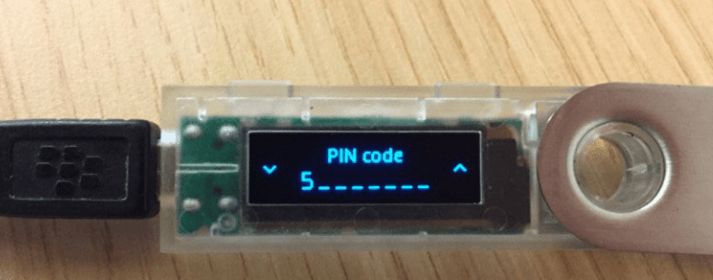


:max_bytes(150000):strip_icc():format(webp)/coinmetricsbtchalving-1aa1b4c4ddea47cfbe0439daf6e3626e.jpg)


 BitHouse